Our Network
A network built
around options.
Direct railroad access, broader ramp choice and experienced dray relationships give LaserNet Jax more practical ways to build a lane across the U.S. and Canada.
Direct Railroad Relationships
Access across the major Class I networks.
LaserNet works directly across multiple Class I railroad networks, allowing us to evaluate more than one practical rail and ramp combination when a lane supports it.
CSX
UNION
PACIFIC
PACIFIC
NSNORFOLK SOUTHERN
CN
CP
North American Reach
Rail, ramps and dray coverage where the freight needs it.
The network extends beyond a single railroad or terminal. That matters when origin geography, destination geography or local operating conditions point to a different setup.
Network value
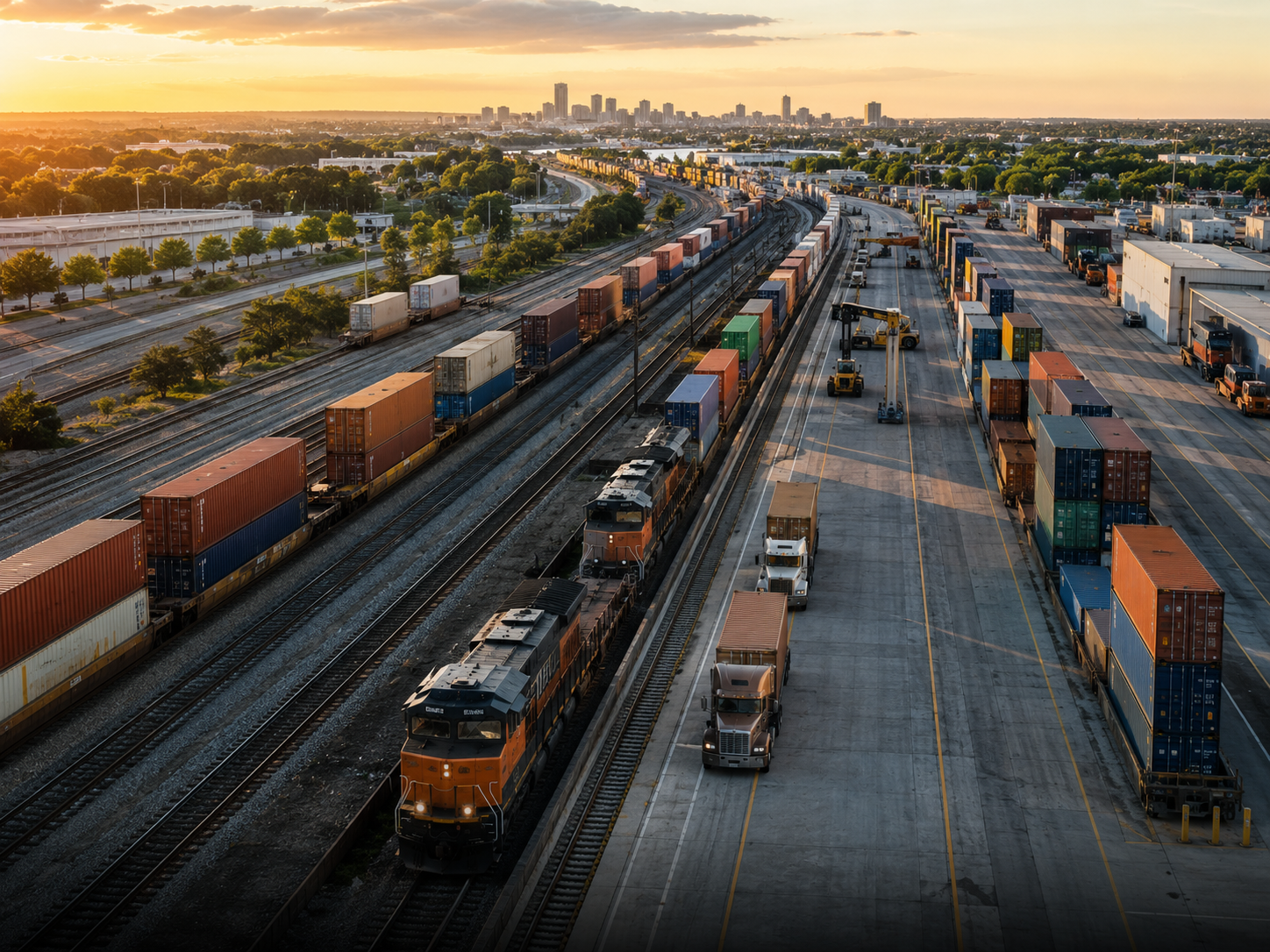
More access creates more practical ways to build the lane.
How We Read the Network
A route is more than two ramps.
The rail route is only one part of the operating plan. We look at the pieces that determine whether the lane works in practice.
Ramp Strategy
The nearest ramp is not automatically the best ramp.
A terminal can be closer on a map and still create a weaker overall move. Dray capacity, equipment, rail service, appointments and total operating cost all influence the better setup.
This is where broader ramp access becomes useful: it lets the lane be evaluated as a complete move rather than forcing the freight through one predetermined terminal.
Put the Network to Work
Start with the lane.
Lane Advisor surfaces practical routing and transit possibilities. LaserNet can then evaluate the rail, ramp and dray setup behind the move.